







Escalating Peru Political Crisis: 7th President in 9 Years Ousted Amid Turmoil
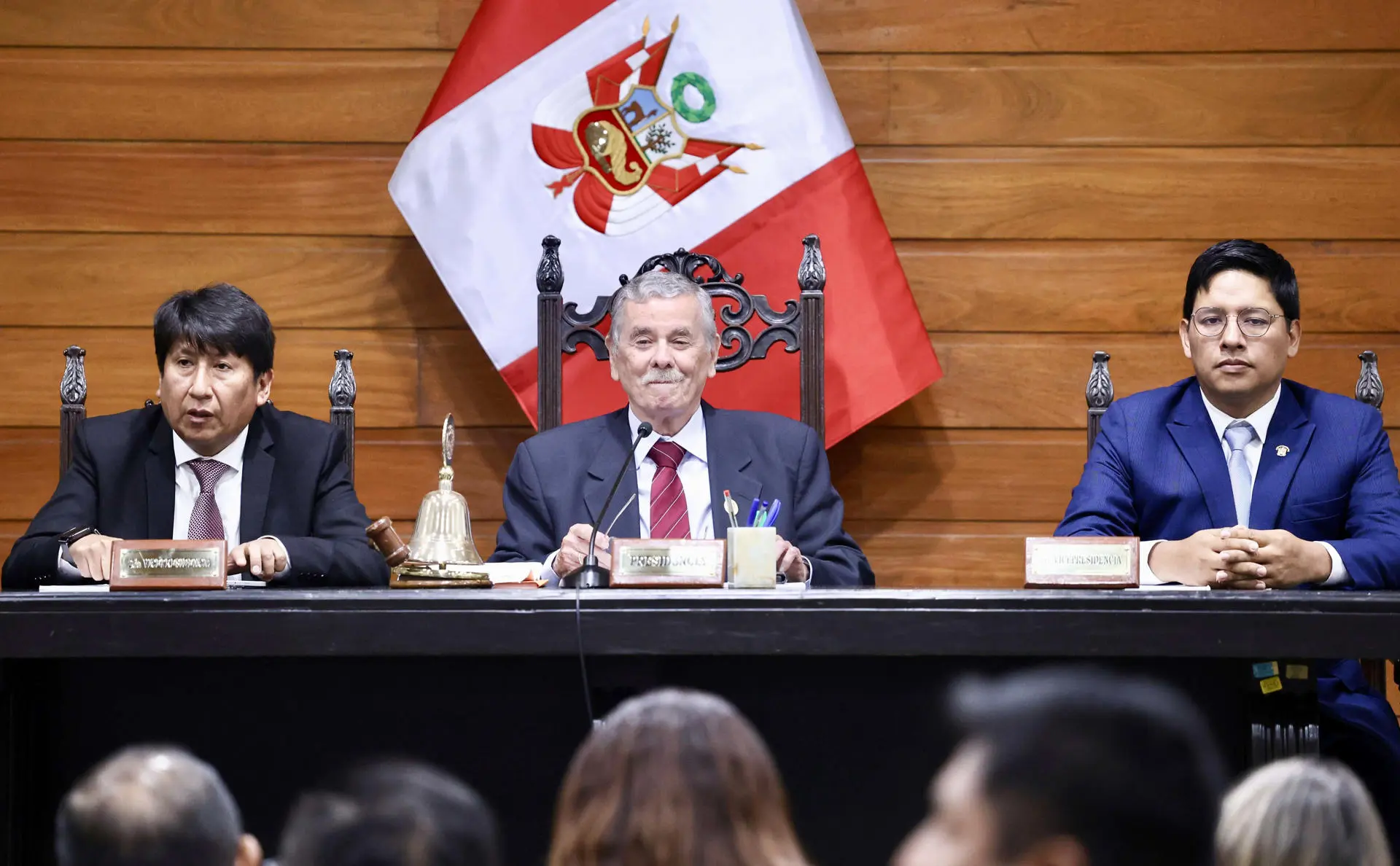
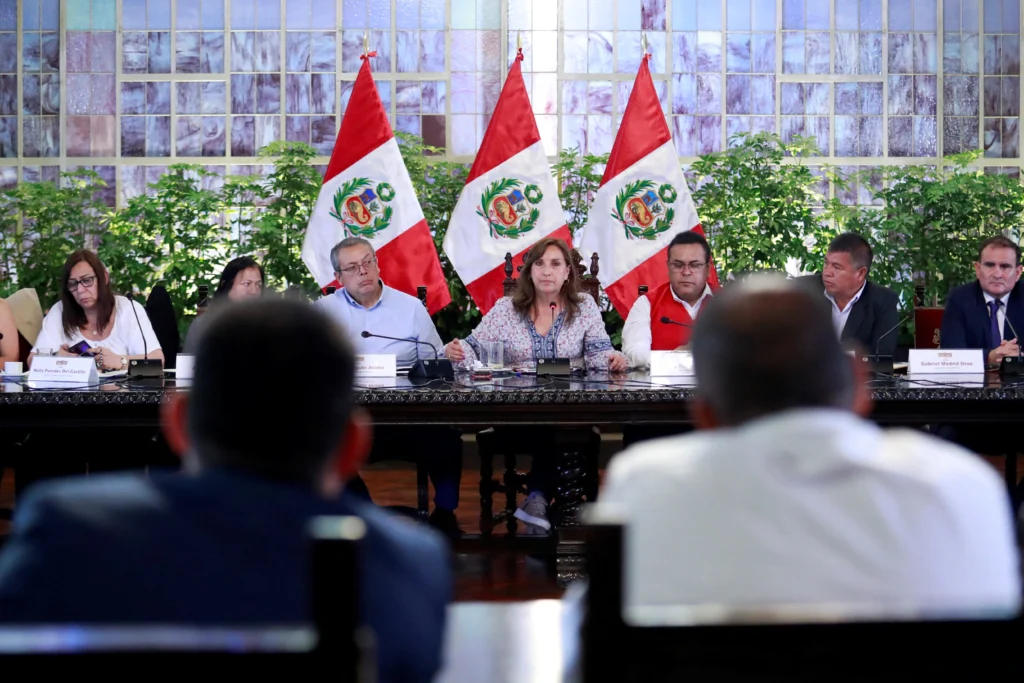
Lawmakers debate during the session that ousted President Dina Boluarte, a move deepening the Peru political crisis
October 11, 2025 Hour: 12:03 pm
🔗 Comparte este artículo
An in-depth look at the escalating Peru political crisis after Dina Boluarte’s ouster, marking the 7th presidential change in 9 years. Analysis and context.
Related: Dina Boluarte denies attempt to leave Peru while Prosecutor’s Office prohibits her departure
7th President in 9 Years Ousted Amid Turmoil
The Andean nation plunges deeper into chaos as Congress ousts Dina Boluarte and inaugurates a successor accused of serious crimes, highlighting a devastating cycle of instability.
LIMA, Peru – Peru has been plunged into a profound Peru political crisis following the swift ousting of President Dina Boluarte by a deeply unpopular Congress. The legislative body, which had previously sustained her in power, acted with startling speed to remove her through a vague “moral incapacity” motion, a move critics label a cynical tool of the political elite.
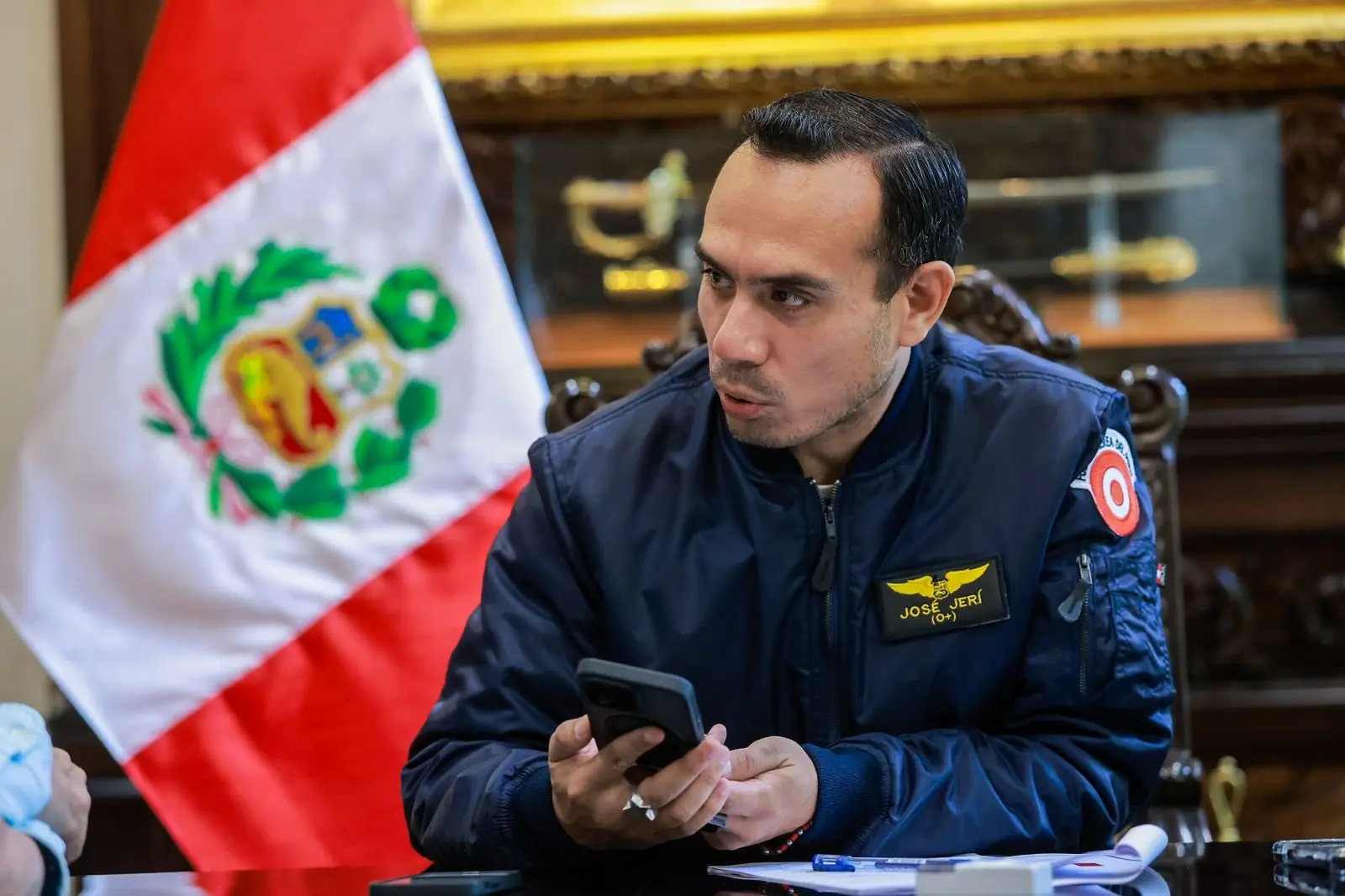
This abrupt transition of power marks the seventh presidential change in just nine years, cementing a chronic cycle of ungovernability that has left the nation reeling. The new successor, José Jerí, is a politician with minimal popular support and a history of serious allegations, including rape and corruption, further eroding public trust in a system perceived as rotten to its core.
The nation awoke to the news that Boluarte was no longer president, a development that, while expected by some, has plunged the country into a fresh wave of uncertainty. The Congress, consistently ranked as the most despised institution in the country, demonstrated the same volatility with which it previously enabled her government.

Lawmakers debate during the session that ousted President Dina Boluarte, a move deepening the Peru political crisis. (Image: Archive)
A Hypocritical Political Coup
The legislative body justified Boluarte’s removal by citing her government’s failure to contain a severe security crisis that has seen homicides soar and criminal gangs operate with impunity. However, this same Congress was her chief ally for three years, endorsing the very policies it now claims to reject.
Analysts view the maneuver as a transparent attempt by political factions to salvage their public image ahead of general elections scheduled in just six months. By distancing themselves from Boluarte, whose approval rating had plummeted to a historic low of 2%, they hope to avoid the electoral backlash for the nation’s deep-seated problems.
Boluarte, who initially assumed the presidency after the controversial ouster and imprisonment of her predecessor, Pedro Castillo, leaves a controversial and bloody legacy. Her administration was marked by the brutal repression of widespread protests, which resulted in the deaths of at least 60 civilians.
Now stripped of presidential immunity, she faces multiple legal battles. The Peruvian Attorney General’s Office has filed two preliminary measures to prevent her from leaving the country. These are linked to allegations of influence peddling to benefit her plastic surgeon and a separate case involving funds for a fugitive political ally.
- Link to OAS statement on Peruvian institutional crisis
- Link to Amnesty International report on protest deaths under Boluarte
A New Leader Mired in Allegations
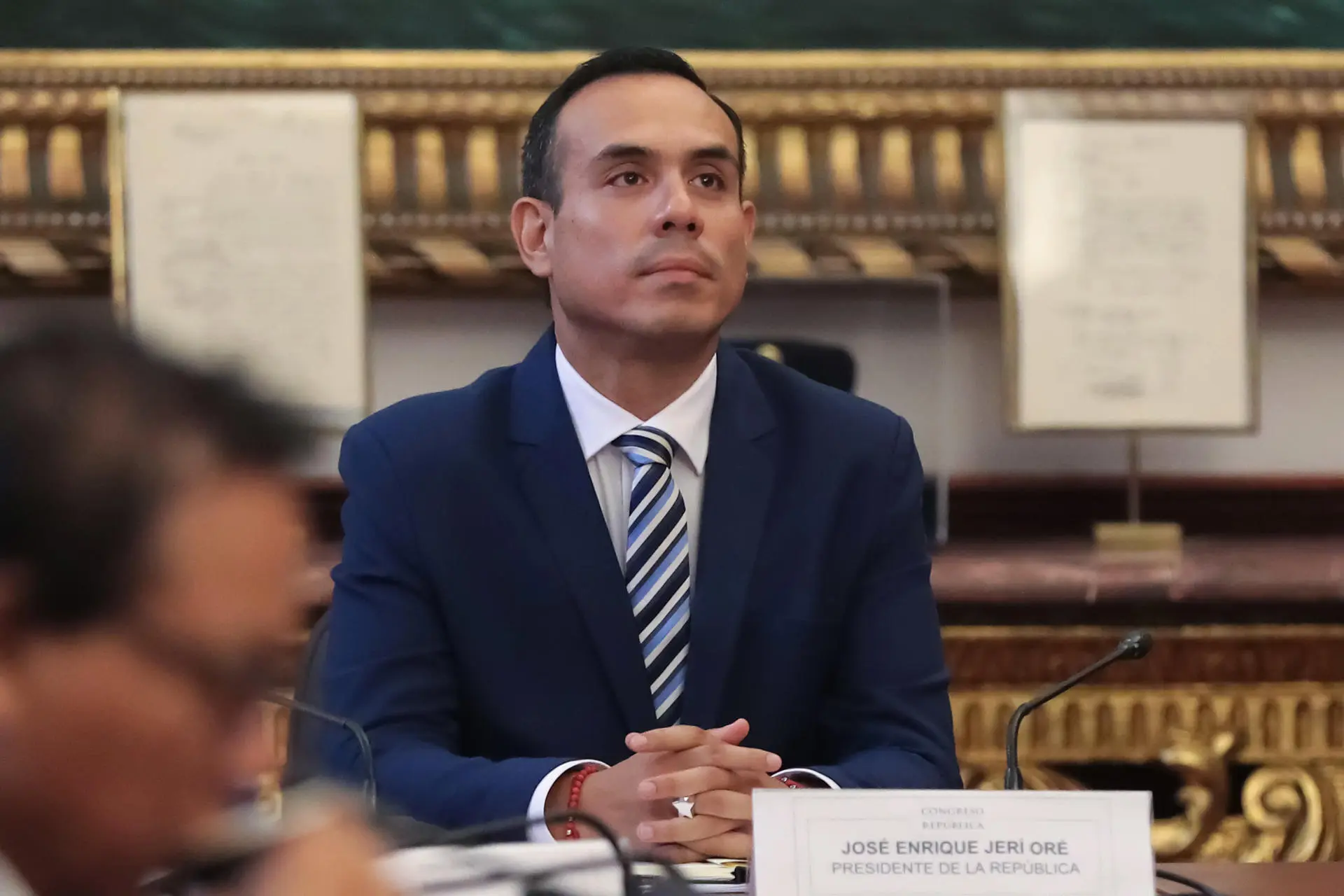
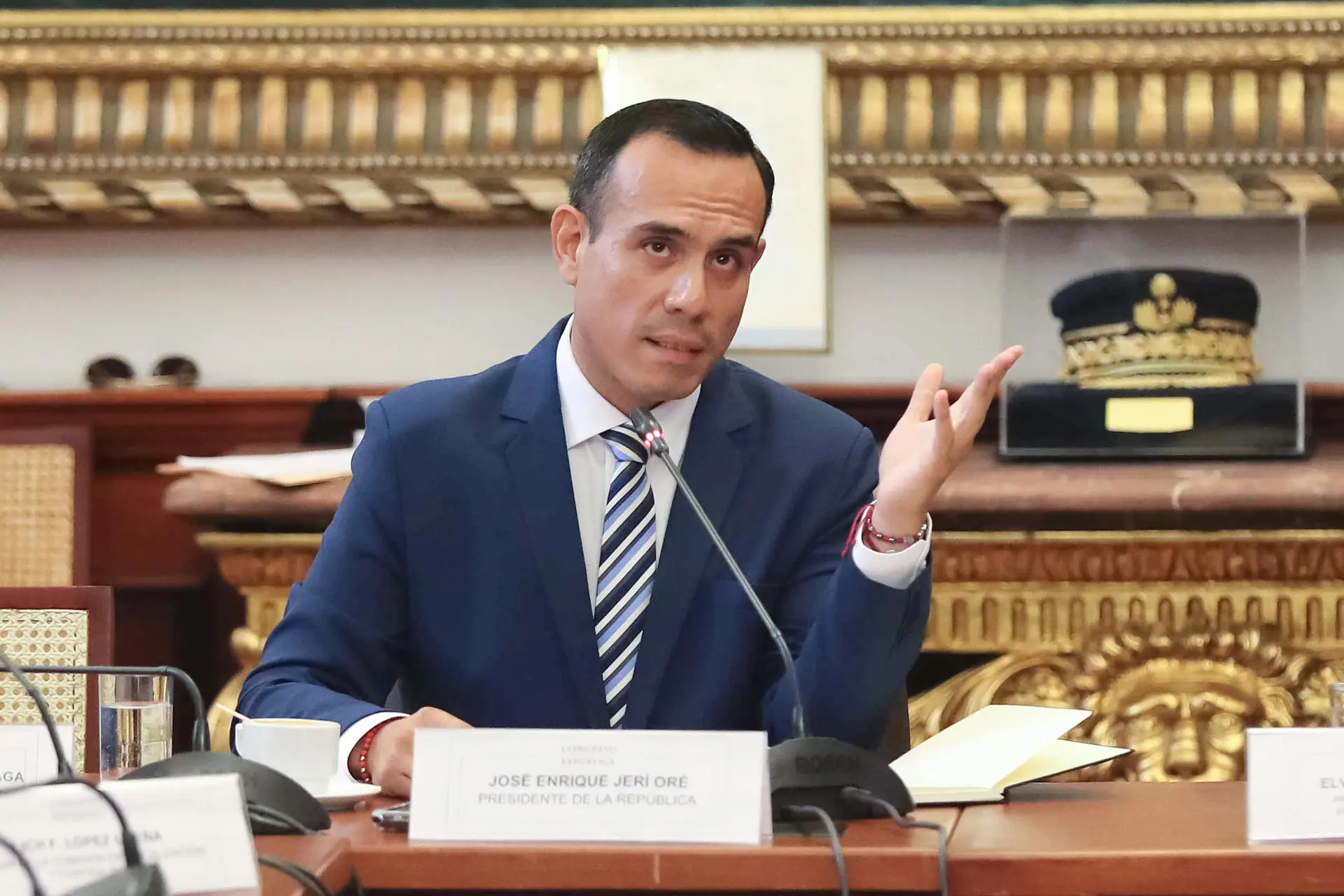
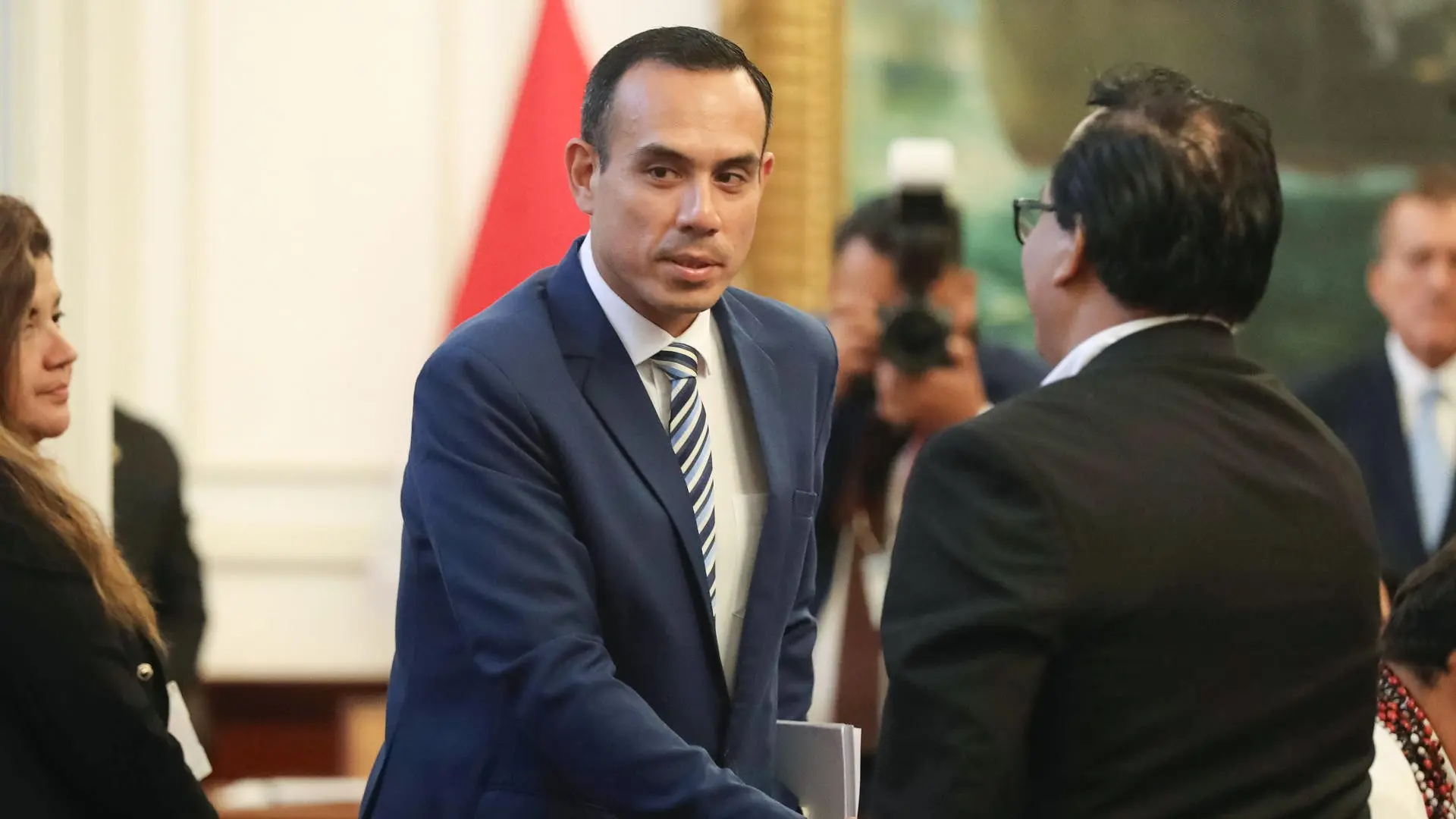
Invested in an express ceremony, the former head of Congress, José Jerí, is now the nation’s president. At 38 years old, Jerí possesses negligible political weight, having secured less than 12,000 votes in the last elections. Yet, doubts surrounding his integrity are even more alarming.
Jerí has been publicly accused of rape, a case that was later archived, and faces other corruption allegations. His credibility suffered a further blow when it was revealed he follows dozens of pornographic accounts on Instagram, a discovery that has sparked public outrage and questions about his judgment.
During his inaugural address in Parliament, Jerí promised to address the demands of the nation’s youth. However, his word is already in question after he blatantly broke a public promise. In an August interview with the newspaper El Comercio, he explicitly stated that he would “decline” the presidency if a scenario for Boluarte’s removal arose—a promise he has now forsaken.
Many local analysts perceive Jerí not as a true leader, but as a puppet. He is widely believed to be controlled from the shadows by powerful political operators, notably Patricia Li, a figure herself questioned for complicity in tax fraud.
A Youthful Population Demands Real Change
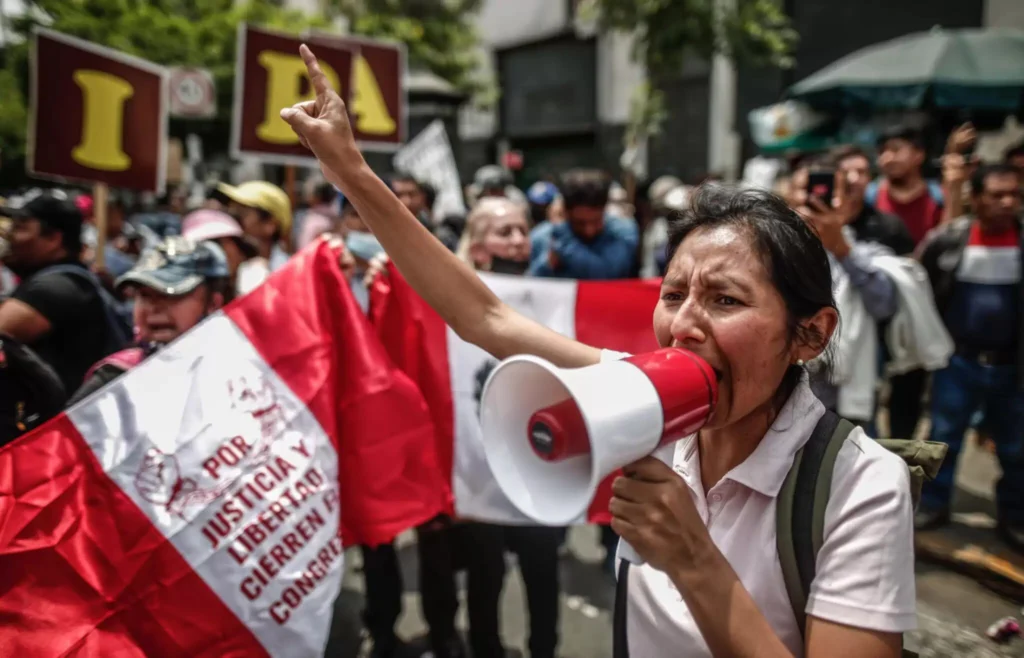
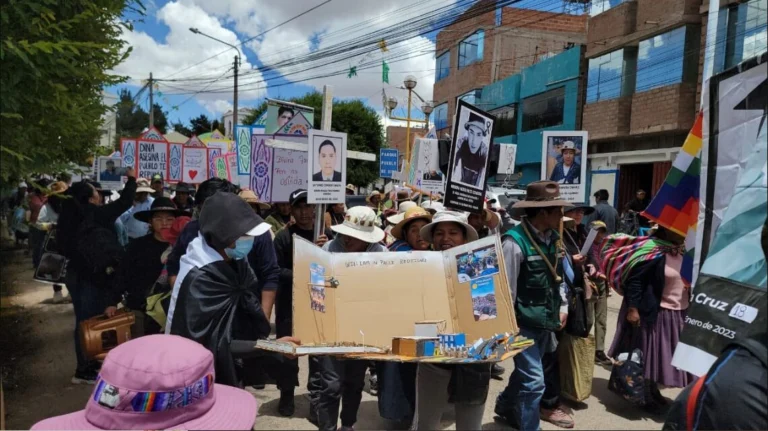
While the political elite engages in a game of musical chairs with the presidency, a powerful force is stirring on the streets. Peru’s Generation Z has been leading protests for over a month, demanding fundamental structural change and expressing utter contempt for the entire political class.
“We are already so used to political crises, to not having leaders, but we are tired,” said Piero Meza, a 17-year-old university student, outside Boluarte’s residence. “Now they remove Dina and what happens? Nothing. We need everything to change, we need an end to corrupt police, those delinquents in uniform. Nothing makes sense if we have no one to protect us.”
This sentiment reflects a deep and growing chasm between Peru’s citizens and its ruling class. The youth are not merely protesting a single president but a system they view as fundamentally broken and unresponsive.
The Vicious Cycle of Oligarchic Power
The current Peru political crisis cannot be understood in isolation. With over 1,700 homicidios recorded so far this year, the security situation is dire. Yet, this is not an isolated failure but rather the logical outcome of a long-standing neoliberal economic model that perpetuates stark inequality and systematically dismantles public services.
The final trigger for Boluarte’s downfall was a brazen attack by gunmen on a cumbia orchestra performing at a military compound. This event severed the last thread of patience holding her government together. However, the roots of the crisis run much deeper.
Peru, a nation fabulously rich in natural resources, remains desperately poor in social justice. This latest episode demonstrates that the nation’s chronic instability is a symptom of a rotted system. This system prioritizes the interests of a rapacious minority over the fundamental needs of its people, creating a predictable cycle of crisis, short-lived governments, and public disillusionment.
The broader geopolitical implications of Peru’s instability are significant for Latin America. It contributes to a regional pattern of democratic backsliding and institutional weakness, where constitutional mechanisms are weaponized for political vendettas rather than serving the public good. This constant state of flux undermines Peru’s ability to act as a stable partner in international affairs and fosters an environment where foreign investment and long-term development projects become increasingly risky.
Author: JMVR
Source: PL